2026-09-04 · Robert Ellis
Mold In Greensboro Rental Properties: Landlord And Tenant Rights
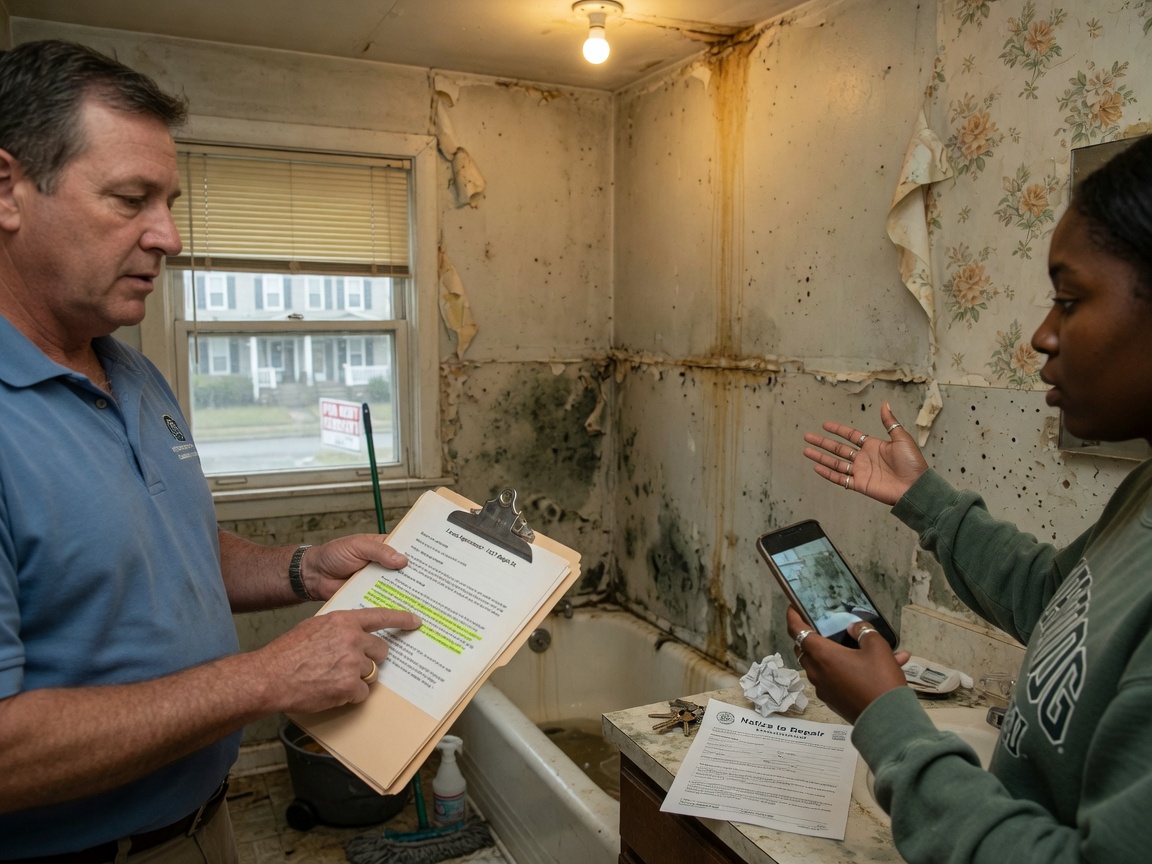
In North Carolina, landlords hold primary responsibility for correcting mold problems that render a rental unit uninhabitable, while tenants must notify owners promptly and grant reasonable access for assessment. This division stems from state habitability statutes that apply across Guilford County, including older stock in neighborhoods such as Fisher Park and Westerwood. Local humid subtropical conditions with hot summers accelerate moisture problems in these properties, especially those near the Greensboro Coliseum or along routes toward Winston-Salem.
North Carolina Landlord Obligations for Mold
State law requires landlords to maintain rental units free from conditions that pose health risks, which includes addressing visible mold growth or persistent moisture sources. In Greensboro, this often involves properties built before 1970 in areas like Lindley Park and Sunset Hills where aging plumbing and roof systems contribute to leaks. Owners must respond to written tenant notices within a reasonable timeframe and cannot retaliate against tenants who report problems. Failure to act can lead tenants to pursue remedies through the courts or local housing authorities serving Guilford County. Property owners frequently coordinate with remediation specialists when growth exceeds small surface areas.
Tenant Rights and Reporting Duties
Tenants in Greensboro rentals have the right to a habitable space and can request mold inspections when health symptoms appear or visible growth is present. They must provide written notice to the landlord and allow entry for evaluation during normal business hours. In neighborhoods such as Downtown Greensboro, tenants in multi-unit buildings should document moisture from shared walls or HVAC systems. Tenants cannot withhold rent without following proper legal channels and must keep the unit clean to avoid contributing to mold development. Local courts in Guilford County have handled cases where both parties share responsibility based on lease terms and maintenance records.
How Greensboro Climate and Housing Stock Influence Mold Cases
The region's humid subtropical climate with hot summers and mild winters creates year-round moisture challenges that affect rental properties differently than drier areas near Winston-Salem. Older homes in Fisher Park and Westerwood often feature crawl spaces and attics where poor ventilation allows mold to spread quickly after summer storms. These conditions require landlords to inspect more frequently than in newer developments. Tenants in such housing should watch for musty odors near windows or in basements during humid months. Greensboro's Humid Climate And Why Mold Grows So Fast Here explains seasonal patterns that drive many local complaints.
Steps for Resolving Mold Disputes in Rentals
Begin by documenting the issue with dated photos and a written notice to the landlord detailing location and any health effects. Landlords should arrange a professional inspection, often through services focused on Mold Remediation, to determine extent and cause. If the landlord delays, tenants can contact Guilford County code enforcement for an official assessment. Both parties benefit from clear lease language on maintenance responsibilities. Historic properties in areas like Westerwood may need specialized approaches detailed in Mold Concerns In Historic Greensboro Neighborhoods.
Practical Considerations for Greensboro Landlords and Tenants
Clear communication prevents most disputes, especially when properties sit in flood-prone sections of Lindley Park or near the International Civil Rights Center & Museum where older infrastructure meets modern humidity. Landlords should schedule annual checks of HVAC systems and gutters before peak summer months. Tenants can reduce risk by using exhaust fans and reporting leaks within days rather than weeks. When growth appears extensive, professional removal protects both parties from liability claims. Local experience shows that early intervention in Guilford County rentals keeps issues from escalating into legal matters.