2026-09-04 · David Harlan
Greensboro's Humid Climate And Why Mold Grows So Fast Here
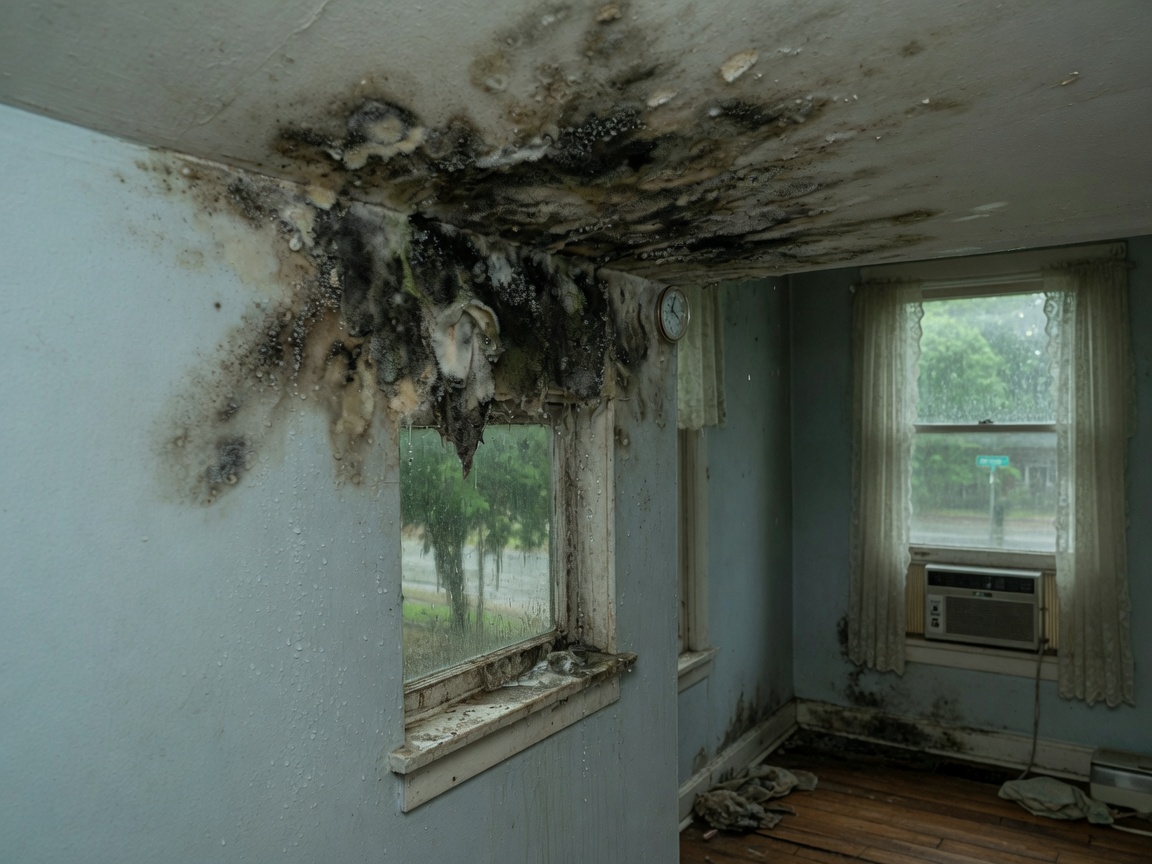
Greensboro's humid subtropical climate lets mold colonies form in 24-48 hours once moisture meets organic material. Hot summers push indoor humidity above 60 percent for weeks, while mild winters keep crawl spaces and attics from drying out completely. Homes in Guilford County face these conditions year-round, unlike drier air in Winston-Salem.
How Humidity and Temperature Patterns Accelerate Mold in Guilford County
Greensboro sits in a humid subtropical zone where summer dew points often stay above 70 degrees for days. This keeps relative humidity high even after sunset, so moisture lingers on wood framing and drywall. Mild winter temperatures rarely drop low enough to kill spores, allowing colonies to remain active in attics and basements. Older homes in Fisher Park and Westerwood have plaster walls and unsealed crawl spaces that absorb and hold this moisture longer than newer builds. When homeowners run air conditioning inconsistently, temperature swings create condensation on pipes and ductwork. These repeated wetting cycles let mold double its surface area every few days until visible patches appear on ceilings or baseboards.
Housing Stock and Neighborhood Conditions That Trap Moisture
Many homes in Downtown Greensboro, Lindley Park, and Sunset Hills were built before 1960 with crawl spaces and minimal insulation. These features allow humid air from the ground to rise into living areas during summer. Narrow lots and mature trees in Westerwood limit airflow around foundations, so rainwater stays pooled near sill plates. In contrast, newer subdivisions outside the core often have better grading and sealed attics. When leaks occur from aging plumbing or roof valleys, the combination of trapped humidity and cellulose materials gives mold everything it needs to spread quickly behind walls. Residents in these older neighborhoods notice musty odors sooner because air circulates less effectively than in open-plan homes.
Seasonal Shifts and Their Direct Impact on Growth Rates
Spring rains followed by sudden heat spikes push indoor humidity past the 55-percent threshold where mold thrives. Fall brings cooler nights that cause condensation on uninsulated attic sheathing, especially in homes near the Greensboro Coliseum where tree cover reduces sun exposure. Winter humidity from indoor heating without proper ventilation keeps spores active in basements. Summer storms can drop several inches of rain in hours, overwhelming gutters on older Fisher Park homes and sending water into crawl spaces. These predictable patterns mean mold remediation calls increase sharply after each season change rather than staying random throughout the year.
When to Check for Hidden Growth and Next Steps
Homeowners who notice recurring humidity or musty smells should schedule a professional mold inspection before visible signs worsen. Early testing identifies whether colonies sit behind drywall in attics or crawl spaces common to Lindley Park homes. If growth is confirmed, targeted mold remediation removes affected materials and restores proper moisture barriers. For sudden discoveries after storms, review what to do immediately after discovering mold in your home to limit spread. Properties showing rapid expansion may need emergency mold removal to protect indoor air quality before the next humid spell arrives.