2026-09-04 · David Harlan
How To Check For Mold Before Buying A Greensboro Home
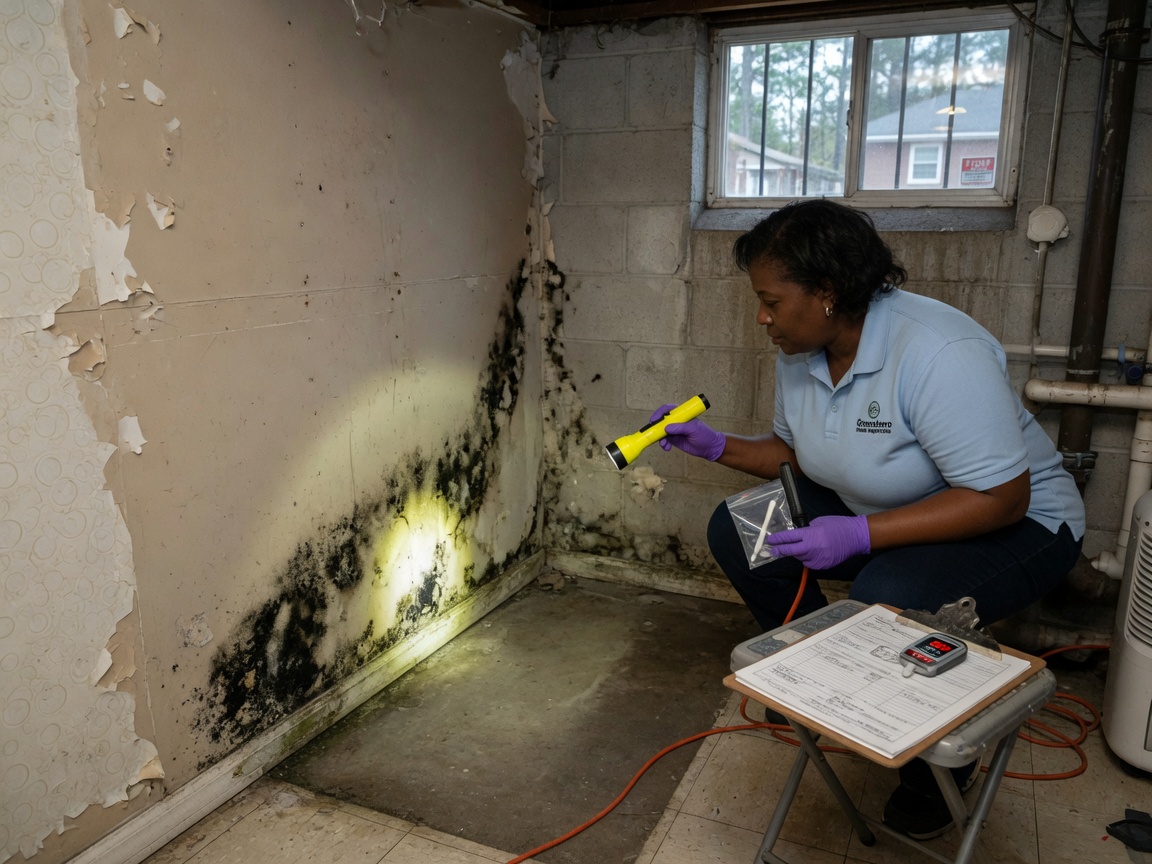
Checking for mold before buying a Greensboro home begins with scheduling a professional mold inspection alongside your own visual review of moisture-prone spots like attics and crawl spaces, particularly in homes built before 1980 that dominate areas such as Fisher Park and Westerwood.
Inspect Attics and Crawl Spaces First
In Greensboro's humid subtropical climate with hot summers and mild winters, attics often trap condensation that leads to mold on rafters and insulation. Walk through the space during a showing and look for black spotting or musty odors, especially in homes near the Greensboro Coliseum where older construction allows more air leakage. Crawl spaces under Lindley Park and Sunset Hills properties frequently sit on clay soils that hold moisture, so shine a flashlight for white or green growth along joists. A professional mold inspection catches hidden colonies that visual checks miss, and buyers should request written findings before closing.
Winter humidity spikes in these unheated areas accelerate growth even when outdoor temperatures stay mild, so factor in a follow-up visit after rain. Homes within 10 miles of Winston-Salem share similar terrain challenges that increase water intrusion risks through foundation cracks.
Review Historic Neighborhood Homes Carefully
Properties in Downtown Greensboro and Fisher Park often feature original plaster walls and single-pane windows that allow humidity to penetrate, creating ideal conditions for mold behind baseboards. During showings, press on drywall near bathrooms and kitchens for softness, and check for peeling paint that signals trapped moisture from the county's frequent summer storms. These homes may have settled foundations over decades, directing rainwater toward basements where mold thrives unseen.
Buyers should also examine HVAC systems for dirty coils, since poor airflow in older Guilford County stock circulates spores throughout living areas. Mold concerns in historic Greensboro neighborhoods often stem from these exact construction details rather than sudden leaks.
Factor in Seasonal Water Patterns
Guilford County's rainfall peaks in summer and can overwhelm gutters on homes in Westerwood, sending water into attics through roof valleys. Test for mold by running a dehumidifier during the inspection period and noting if readings stay above 55 percent, which signals ongoing issues in crawl spaces common to the area's red clay soil. Mild winters mean less freeze-thaw damage but more consistent indoor humidity that feeds growth in poorly ventilated spaces.
Compare findings against nearby Winston-Salem homes to gauge if local patterns match. Request air sampling if any musty smell appears, and review past water damage reports for the property.
Plan Next Steps After Initial Checks
If inspection reveals mold in the attic or crawl space, obtain quotes for targeted removal before finalizing the purchase. This approach prevents surprises in neighborhoods like Lindley Park where humidity lingers year-round. Review related guidance on winter humidity and attic mold in Greensboro homes to understand how seasonal shifts affect long-term maintenance in these properties.