2026-09-04 · Robert Ellis
Basement Mold Prevention Tips For Greensboro Homes
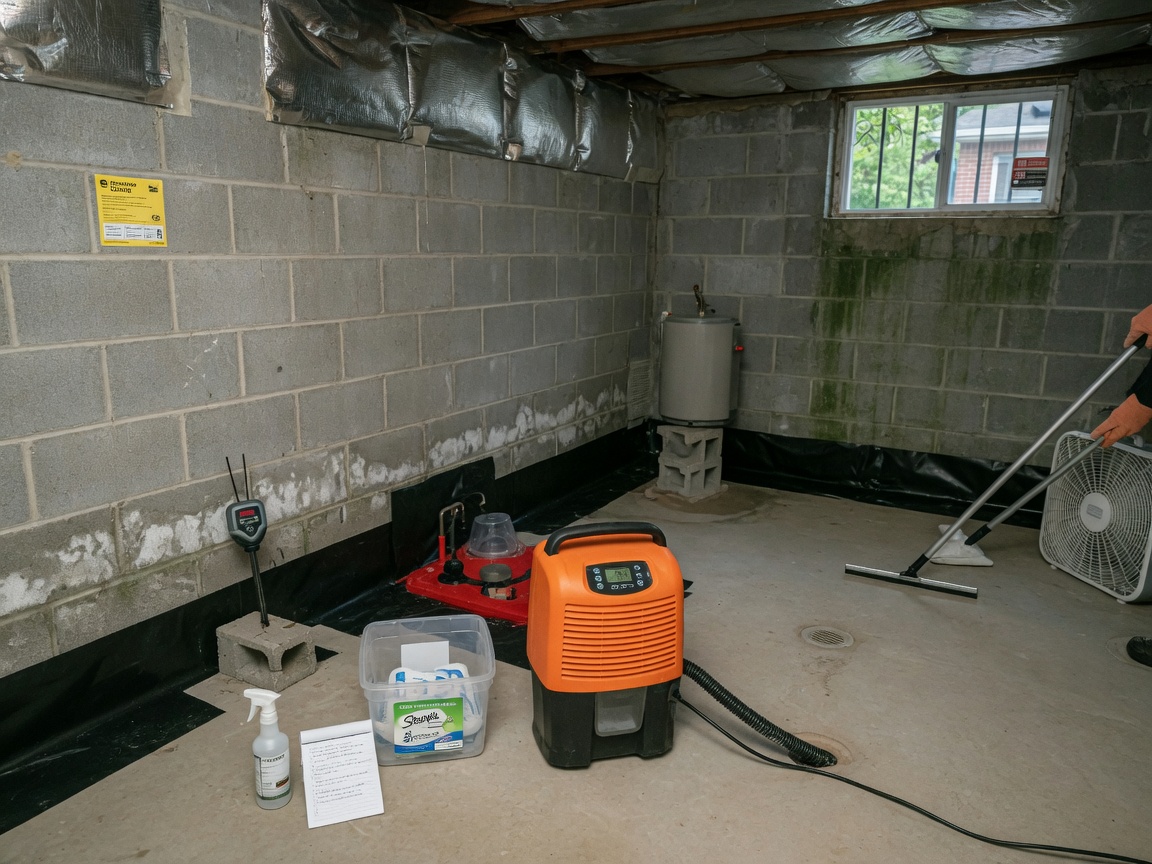
In Greensboro homes, effective basement mold prevention centers on maintaining indoor humidity below 50 percent year-round while improving exterior grading and foundation drainage to counter the area's hot summers and frequent rainfall.
Climate and Housing Factors in Guilford County
Greensboro's humid subtropical climate brings hot, humid summers that push moisture into below-grade spaces and mild winters that allow condensation on cooler basement walls. Older housing stock in neighborhoods such as Fisher Park, Westerwood, and Lindley Park often features stone or brick foundations with limited insulation and aging gutters that direct water toward the house. These conditions increase the likelihood of water intrusion during heavy summer storms. In contrast, newer builds near the Greensboro Science Center area may still face issues if downspouts empty too close to the foundation. Residents in Downtown Greensboro and Sunset Hills report similar problems when tree cover and clay soils slow water runoff. Addressing these local realities starts with evaluating how each home's age and location interact with seasonal humidity spikes rather than relying on generic advice.
Exterior Drainage and Grading Adjustments
Proper grading around the foundation prevents rainwater from pooling against basement walls, a common issue in Guilford County where clay-heavy soils retain moisture. Slope soil away from the house at a minimum of six inches over the first ten feet. Clean gutters regularly and extend downspouts at least five feet from the foundation, especially important in Fisher Park where mature trees can clog systems quickly. In Westerwood and Lindley Park, many homes sit on slight slopes that funnel water toward lower basement levels during intense summer downpours. Installing French drains or regrading may be necessary when existing grading fails. These steps reduce the volume of water reaching the basement and lower the overall humidity load that dehumidifiers must handle.
Interior Humidity Control and Ventilation
Basements in Greensboro benefit from a dedicated dehumidifier sized for the square footage and set to maintain 45-50 percent relative humidity. Pair the unit with a sealed vapor barrier on dirt floors and insulated walls to limit moisture migration from the ground. Exhaust fans in laundry areas and bathrooms should vent directly outside rather than into the basement. In older homes near the International Civil Rights Center & Museum, limited airflow often traps humidity; adding a whole-house ventilation strategy tied to the HVAC system helps. Check filters monthly during peak summer months when outdoor humidity peaks. These measures keep moisture levels low enough to discourage mold growth without over-drying the space.
Inspection Routines and Professional Support
Schedule a thorough mold inspection every two years or after any water event, particularly for homes in historic sections of Greensboro where hidden leaks behind paneling go unnoticed. Look for musty odors, efflorescence on walls, or soft spots in flooring during routine checks. Homeowners considering purchases in areas like Sunset Hills can review How To Check For Mold Before Buying A Greensboro Home for additional guidance. When visible growth appears or humidity stays elevated despite preventive steps, contact a local specialist familiar with mold concerns in historic Greensboro neighborhoods. Early intervention prevents small issues from spreading into larger remediation projects across Guilford County and nearby Winston-Salem communities.