2026-09-04 · David Harlan
What To Do Immediately After Discovering Mold In Your Home
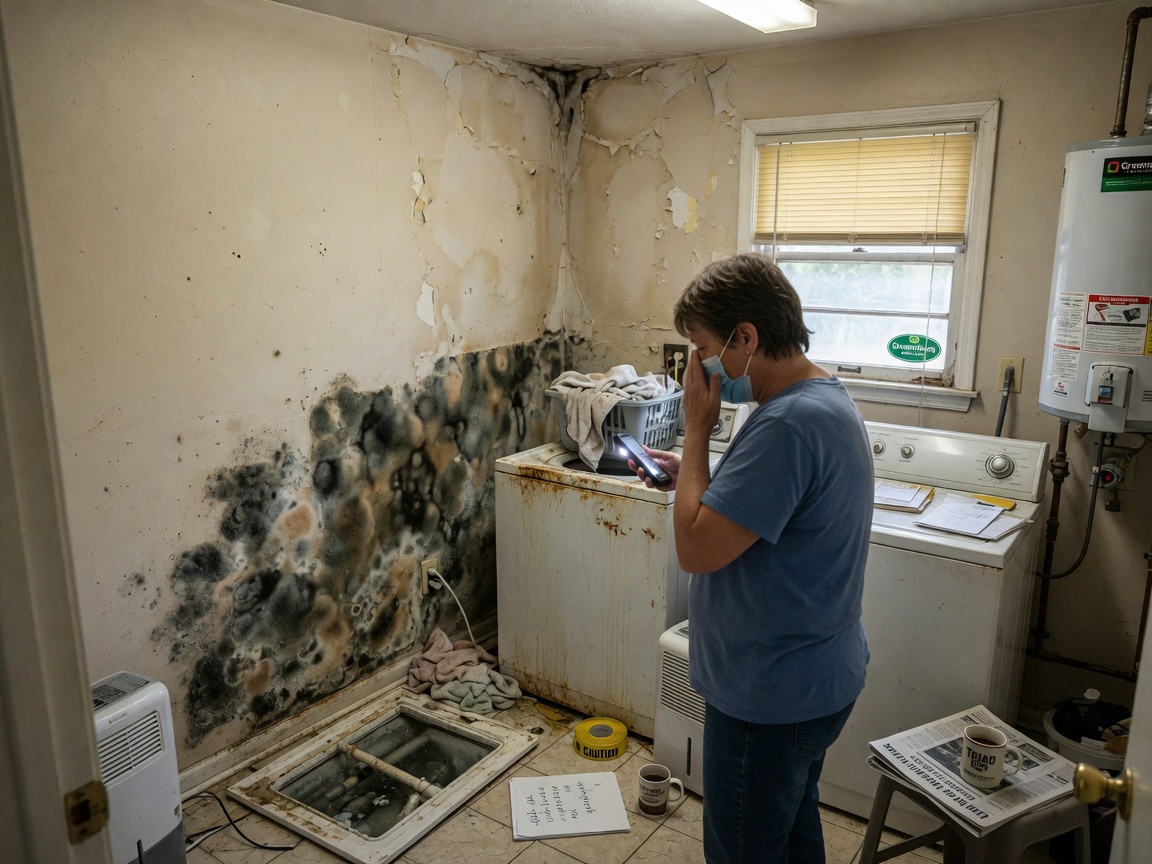
The immediate priority after spotting mold is to protect household members by avoiding the affected space, turning off HVAC systems that could circulate spores, and opening windows for ventilation where weather allows. In Greensboro's humid subtropical climate with hot summers and mild winters, moisture from recent rains or indoor humidity often triggers growth in older homes found in neighborhoods like Fisher Park and Westerwood. These steps buy time while you assess next actions without making the problem worse.
Protect Occupants and Assess Immediate Risks
Avoid entering the space until you confirm the extent of growth. Mold in older Guilford County housing stock, common in areas like Lindley Park and Sunset Hills, can release spores that affect air quality quickly. If anyone experiences respiratory issues, relocate them and note symptoms for later discussion with a doctor. Check for visible water damage near the Greensboro Coliseum vicinity or similar older builds where plumbing leaks go unnoticed. Document the discovery with photos from a safe distance to share with inspectors later. This initial evaluation prevents unnecessary exposure while you plan containment.
Shut Down Moisture Sources and Ventilate Safely
Locate and stop any ongoing water intrusion, such as from roof leaks or condensation in crawl spaces common after summer storms in the region. In homes near Downtown Greensboro, high indoor humidity during mild winters often feeds attic mold. Run exhaust fans in bathrooms and kitchens but avoid whole-house fans that could spread particles. If the issue appears in a finished basement or near the International Civil Rights Center & Museum area homes, use a dehumidifier set below 50 percent if safe to operate. These actions address the root cause before spores settle into porous materials like drywall or insulation.
Contain the Area to Limit Spread
Close doors to the affected room and seal gaps with plastic sheeting and tape where possible, especially in compact layouts found in Westerwood properties. This prevents spores from migrating to unaffected spaces during daily activity. Avoid vacuuming or disturbing the mold, as that releases more particles into the air. For larger discoveries in Guilford County homes built before modern moisture barriers, mark off a perimeter at least three feet beyond visible growth. Such containment keeps the problem localized until a trained team arrives, reducing the chance of cross-contamination to nearby rooms or HVAC ducts.
Contact Local Professionals for Proper Evaluation
Reach out to a Greensboro-based mold inspection service promptly rather than attempting removal yourself, particularly when growth exceeds a small patch. Professionals can test for hidden mold behind walls or in attics common to Sunset Hills residences. Schedule a thorough assessment to identify the full scope before any remediation begins. In cases tied to recent heavy rains, review guidance on preventing mold after summer storms for context on seasonal patterns. Winter humidity issues in attics also warrant checking related attic guidance. Local teams familiar with nearby Winston-Salem influences understand how regional weather accelerates growth in these structures.
Monitor and Follow Up After Initial Containment
Continue checking humidity levels daily with a reliable meter while awaiting inspection results. If symptoms persist among residents, consult a physician and mention the mold discovery for proper context. Avoid using bleach on porous surfaces, as it fails to address roots in materials typical of older Fisher Park homes. Once professionals complete assessment, they may recommend targeted removal or emergency response depending on severity. Track any changes in the affected area and maintain records for insurance discussions if water damage from storms played a role.