2026-09-04 · Robert Ellis
Does Homeowners Insurance Cover Mold Removal In North Carolina?
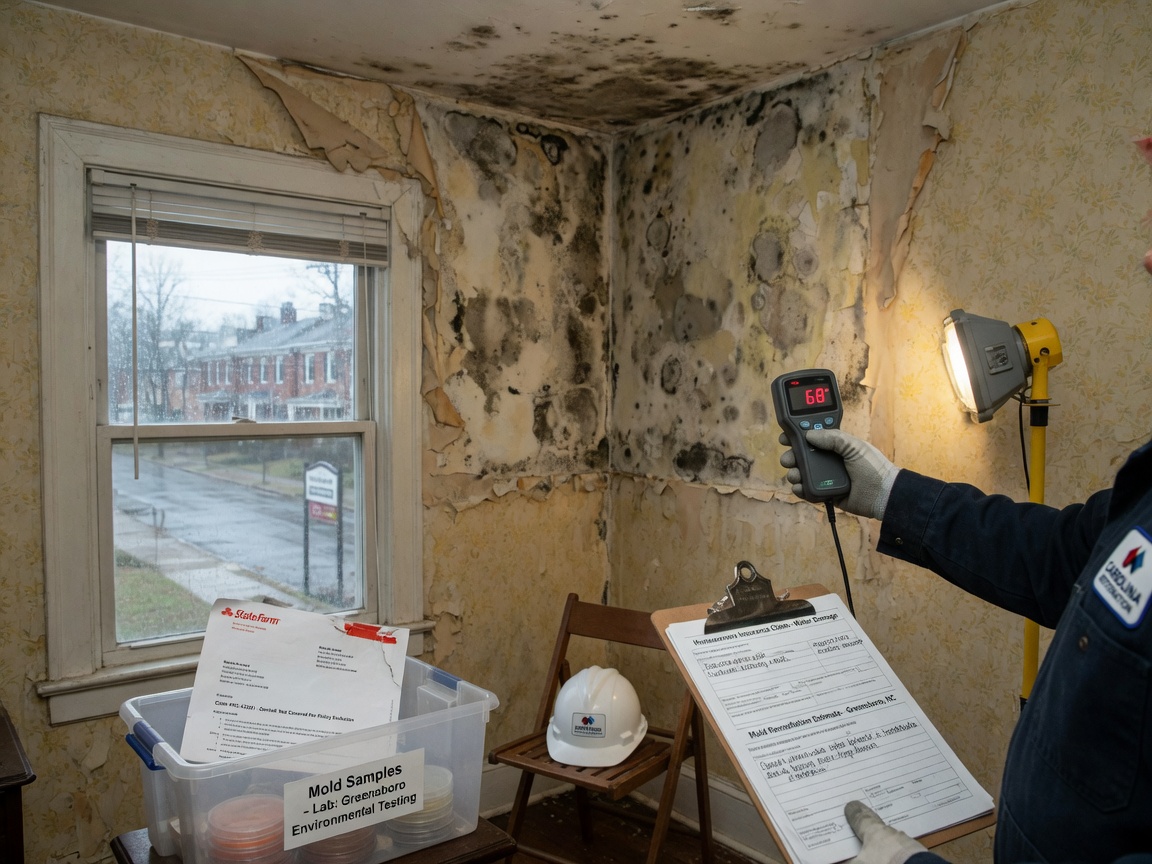
Homeowners insurance policies in North Carolina typically do not cover mold removal unless the growth stems directly from a sudden, covered peril such as a burst pipe or storm damage. Standard policies exclude gradual leaks, poor ventilation, or humidity-driven issues common across Guilford County. In Greensboro, this means residents in neighborhoods like Fisher Park or Westerwood often face out-of-pocket costs for remediation when mold develops over time in crawl spaces or attics.
When Insurance May Cover Mold Removal
Coverage triggers only when mold results from an insured event like a sudden water line failure or roof breach from severe weather. Insurers may pay for removal tied to that event but cap amounts at $5,000–$10,000 in many North Carolina policies. Homes built before 1970 in Lindley Park or Sunset Hills frequently see claims denied because inspectors trace growth to ongoing moisture rather than one incident. Property owners should document the source immediately and contact their carrier before starting work. Mold inspection helps establish whether the cause qualifies under policy terms.
Common Exclusions in Guilford County Policies
Most policies exclude mold from high humidity, condensation, or flooding, conditions that affect many Greensboro homes due to the humid subtropical climate. Summers bring frequent rain that raises indoor moisture levels, while mild winters allow undetected leaks to persist in basements. Properties near Downtown Greensboro or close to the Greensboro Coliseum often feature older plumbing that leaks slowly, leading to denials. Renters and owners in nearby Winston-Salem face similar rules. Review your declarations page for any mold endorsements, and consider separate coverage if your home sits in flood-prone zones of Pleasant Garden or McLeansville.
Local Factors Affecting Claims in Greensboro
Guilford County’s mix of historic homes and newer builds changes how insurers evaluate mold claims. Fisher Park and Westerwood properties from the early 1900s have plaster walls and limited airflow that trap moisture after heavy summer storms. In contrast, post-1990 construction in Summerfield or Oak Ridge may include better vapor barriers but still develops issues around HVAC systems. Common Causes Of Mold Growth In Piedmont Triad Homes outlines how local weather patterns interact with these building types. When a covered event occurs, prompt mold remediation keeps secondary growth from voiding the claim.
Steps to Take After Discovering Mold
Photograph all affected areas before any cleanup and note the date and suspected water source. Contact your insurer within 24–48 hours to open a claim and request an adjuster visit. If the policy covers the loss, schedule professional assessment through a licensed remediator familiar with North Carolina building codes. For sudden emergencies after hours, Signs You Need Emergency Mold Removal In Your Greensboro Home details visible indicators that warrant immediate action. Keep all receipts and inspection reports to support reimbursement requests.
Practical Next Steps for Greensboro Homeowners
Because coverage hinges on the cause, schedule a thorough inspection before filing to avoid wasted time on denied claims. Local operators based in Greensboro operate Mon–Fri 8am–6pm and Sat 9am–2pm and can provide written moisture readings for insurance files. Owners in Jamestown or Kernersville should compare their policy language against actual home conditions, especially after recent heavy rains. When coverage applies, remediation focuses on removing affected materials and drying the structure to prevent recurrence.